



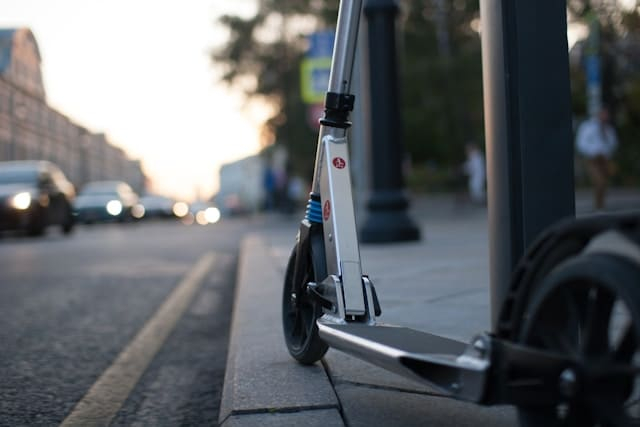






If you manage vehicles, you already know that different asset classes demand different playbooks. E-scooters are no exception. Over the last few years, micro mobility has exploded in cities around the world, and with that growth comes a set of challenges that are unique to small, shared electric vehicles. These scooters operate in dense urban environments, face higher exposure to theft and vandalism, and rely on batteries and electronics rather than fuel and heavy mechanical components.For fleet managers this means rethinking maintenance cycles, security protocols and operational KPIs. You will be working with a higher turnover of units, close interaction with municipal regulations and rider behaviour that directly affects asset life. The good news is that many of these challenges are manageable with the right processes and technology stack — from precise tracking to intelligent rebalancing and battery health monitoring. In short, treat e-scooters as a distinct fleet class and you will protect uptime, reduce costs and improve rider satisfaction.
Vehicle & Operational Differences
Managing e-scooters is not the same as running vans or cars. Their small size and modular construction change everything from procurement to disposal. Below are the practical differences you need to plan for, and the operational adjustments that deliver value.
Vehicle characteristics and lifecycle
E-scooters wear differently. Instead of engines and transmissions, you are tracking electronics, tyres, bearings and structural integrity. Parts are often modular and replaceable, but the lifecycle tends to be shorter — expect quicker obsolescence and more frequent component swaps. That affects procurement cadence: buy with replaceable modules in mind and maintain a steady spare-parts pool.
Charging, battery management and depot workflows
Battery health is central. Decide whether you will use central charging hubs, mobile charging squads or battery-swap programmes. Each approach has trade-offs in staff time, infrastructure cost and turnaround speed. Track battery cycles and state-of-health to avoid sudden range loss mid-ride. Design depot workflows to minimise handling time and reduce time out of service.
Deployment, rebalancing and parking management
Distribution is a daily operational problem. Demand concentrates in hotspots and shifts by time of day. Rebalancing frequency affects both availability and cost. You also need clear parking policies to avoid complaints and penalties. Consider a mix of operator rebalancing and rider incentives, and use geo-fencing to control parking behaviour and protect curb space.
Safety, Rider Behaviour & Regulatory Compliance
Safety and compliance are front and centre for city operations. Riders behave differently than drivers of cars; they are more likely to ride on pavements, weave between pedestrians and expose the scooter to misuse. That creates a higher risk profile and requires targeted controls.
Rider safety, onboarding and enforcement
Make rider safety a proactive programme. Use in-app onboarding, short safety tips before the first ride and reminders on risky behaviours. Consider implementing speed limits in certain zones and routine maintenance checks to minimise mechanical failures. Encourage helmet use with incentives and partner with local community groups to raise awareness.
Local regulations, geo-fencing and operational permits
Cities are constantly updating regulations for micro mobility. You must be agile: register permits, respond to data requests and be ready to deploy geo-fences for no-ride or low-speed zones. A flexible control layer that supports remote configuration is a must; it keeps your fleet compliant and reduces fines or service suspensions.
Insurance, liability and incident response
Insurance for e-scooters covers different risks compared with cars. You need clear incident workflows: capture telemetry, photos and rider reports immediately after an event. Fast incident response reduces liability exposure and helps with claims. Ensure your policy and operations team are aligned on evidence collection and repair timelines.Mid-article CTA: Ready to see how a platform built for micromobility can help you manage geofences, battery telemetry and real-time asset health? Book demo with Traknova and get a tailored walkthrough for e-scooter operations.
Technology Stack & Data Requirements
Technology is the glue that makes efficient e-scooter operations possible. The devices you deploy, the data you collect and the way you analyse it all shape availability, security and cost. Focus on hardware that gives accurate location and battery telemetry, and on software that ties operations together.
Telematics and hardware differences
E-scooter telematics must be compact, low-power and accurate. GPS accuracy can be degraded in urban canyons, so combine GPS with IMU data and beacons where appropriate. Anti-theft sensors and tamper detection are important because scooters are easy targets for theft. Be realistic about update frequency — more frequent pings give better visibility but drain battery faster.
Fleet software, APIs and integrations
Your software needs to do several jobs at once: live tracking, dispatching rebalancing crews, processing payments and pushing OTA updates. Open APIs are valuable — they let you integrate with city dashboards, payment gateways and third‑party marketplaces. Choose a platform that supports both operational workflows and partner integrations.
Data analytics, privacy and performance KPIs
Measure the right KPIs: utilisation, rides per vehicle, average trip length, battery cycles, maintenance events and downtime. Use analytics to forecast demand and optimise fleet size. Don’t forget privacy: collect only what you need, anonymise rider data where possible and comply with local data laws. Good analytics will drive both efficiency and compliance.
Business Model, Costs & Best Practices
E-scooter economics can be tight. Upfront hardware costs are lower than cars, but turnover, maintenance and charging overheads can quickly add up. A clear understanding of unit economics and operational levers is essential to scale sustainably.
Cost structure and lifecycle economics
Break costs into acquisition, charging, rebalancing, maintenance, insurance and disposal. Track cost per ride and lifetime rides per unit. Optimise procurement by negotiating spare-part bundles and choosing models with replaceable modules to lower total cost of ownership. Remember to factor in downtime as a real cost.
Partnerships, stakeholder management and city relations
Work closely with municipalities, local businesses and transit agencies. Partnerships can unlock preferential parking zones, reduce complaints and create multimodal integration. Transparency with city officials — especially around data sharing and safety metrics — builds trust and long-term operational stability.
Actionable checklist and next steps for fleet managers
Create a checklist that covers procurement specs, battery and charging strategy, rebalancing plan, safety programme, insurance setup and a data governance policy. Start small, measure aggressively and iterate. If you operate across multiple cities, standardise what you can and localise what you must.
Conclusion — Key Takeaways for Fleet Managers
E-scooter fleets are a different animal compared with traditional vehicles. They need tailored maintenance routines, battery-first logistics, tight security controls and strong relationships with cities. If you approach them with the right technology, clear KPIs and flexible operations, they can be profitable and hugely valuable to urban mobility networks.Focus on: precise tracking, predictable battery workflows, agile geo-fencing and robust incident response. Those elements cut downtime, reduce costs and improve rider trust. If you want to scale safely and efficiently, build your processes around data and local regulations.
FAQs
Q: How often should I charge or swap batteries?A: It depends on hardware and usage. For daily high-usage fleets, plan for at least one full cycle per 24 hours with spot-charge or swap capability for peak days.Q: What anti-theft measures work for scooters?A: GPS and IMU telemetry, tamper sensors, remote immobilisation and quick recovery workflows. Combine hardware with local recovery teams for best results.Q: Which KPIs matter most?A: Utilisation, rides per vehicle, average trip distance, battery cycles, mean time to repair and downtime.Ready to see these capabilities in action? Book a personalised demo or consultation with Traknova to explore how our platform supports micro mobility operations and integrates with city systems. Book demo or Contact us for custom pricing and rollout advice.We’d love your feedback on this article. Did you find the tips practical and actionable? Please share on social media to help other fleet managers, and drop a comment with one challenge you face in e-scooter operations. What single change would most improve your fleet’s uptime?