



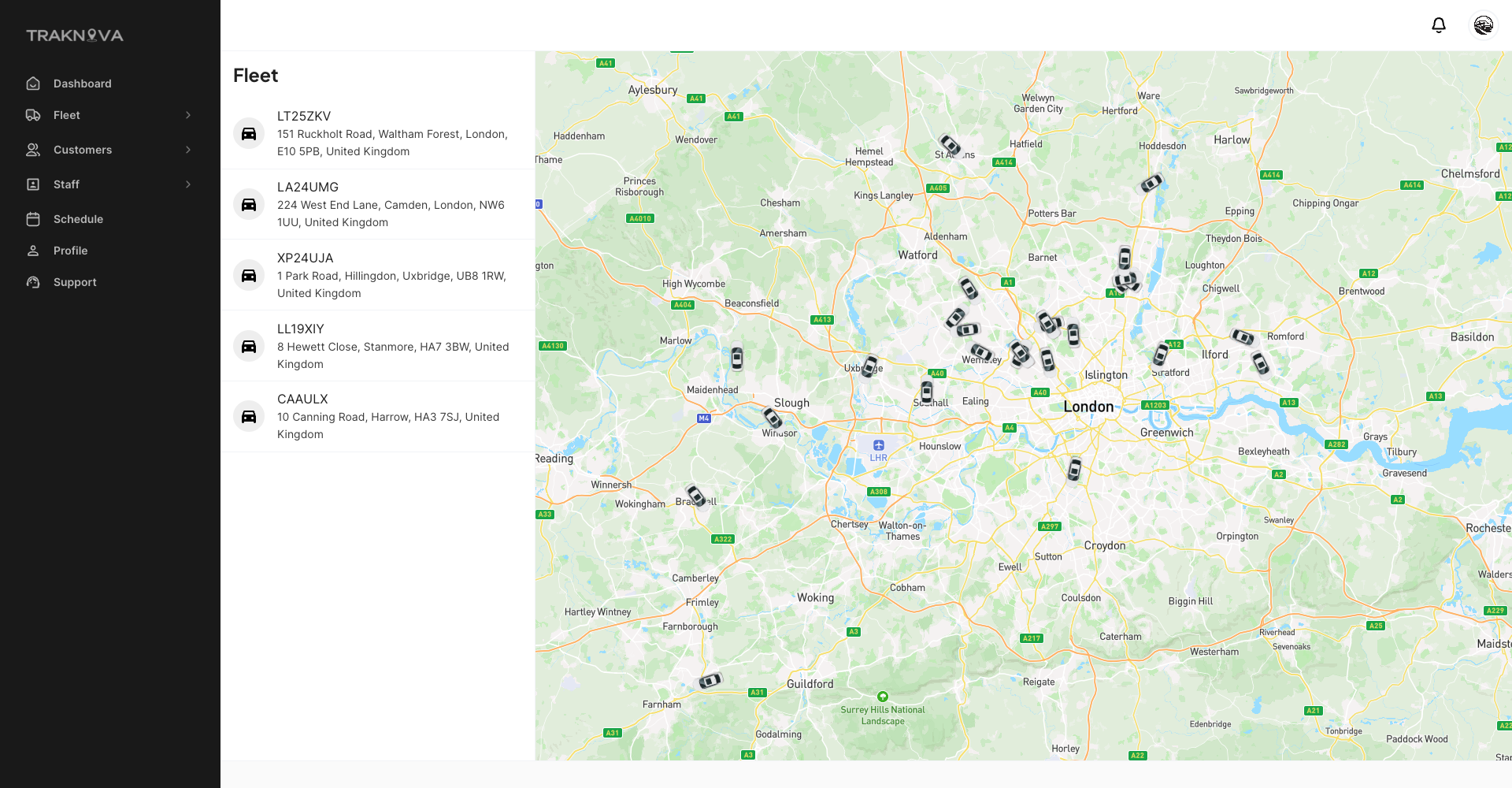






Managing tax obligations when your vehicles cross state lines or national borders is one of those operational headaches that keeps fleet managers up at night. It is complex, varied and often changes by jurisdiction. This guide unpacks the essentials so you can reduce risk, protect margins and keep your operations moving.Read on for practical guidance on nexus, registrations, fuel and road taxes, payroll withholding for drivers, and simple compliance processes you can adopt today. Where relevant, I will point you to tools such as Tracking and fleet data strategies that make compliance easier.
Why Cross-Jurisdiction Tax Compliance Matters for Fleets
Scope & risk for fleets
As a fleet manager you probably operate across multiple postal codes, states or countries. That movement creates exposure: each jurisdiction may view your business differently for tax purposes. Activities that commonly trigger obligations include long-haul routes, cross-border deliveries, leased vehicles based in another state and third-party drivers operating under your brand. Noncompliance is rarely a small penalty; it can mean back taxes, interest and reputational damage that ripple through procurement and procurement cycles.
Types of taxes at stake
Fleets face a mix of taxes: VAT or GST on services and goods, sales taxes, fuel excise duties, tolls and road user fees, and payroll-related taxes for drivers. Even seemingly minor items such as the sale of a used vehicle, a short-term rental or a cross-border service fee can attract tax. Understanding which tax applies where is the first step to avoiding surprises.
Financial and operational consequences
Failing to comply can hit cash flow hard. Expect penalties, audit costs and the administrative burden of correcting past filings. Operationally, tax problems can delay customs clearance for international movement and lead to suspended licences or permits. In short, proactive compliance protects both the balance sheet and your day-to-day logistics reliability.
Establishing Tax Nexus: Registrations, Licences & Permits
Determining nexus and permanent establishment
Tax nexus is the legal connection that gives a jurisdiction the right to tax your activity. Nexus rules vary: some rely on physical presence such as offices or depots, others on economic activity thresholds or the regular presence of drivers. For international work, permanent establishment rules decide when a foreign country treats your operations as a taxable presence. Document routes, frequency and vehicle assignment; these records often determine whether nexus exists.
Required registrations and licensing
Once nexus is established you will usually need state or national registrations. Examples include registration for VAT/GST, state sales tax accounts, and regional programmes like IFTA or IRP in North America for fuel and apportionment. Don’t forget vehicle and operator licences that differ by jurisdiction. Getting these registrations right up front avoids costly retroactive filings.
Cross-border permits & customs considerations
International movements bring customs formalities: carnets for temporary exports, bonded transport authorisations and correct commercial invoices for clearance. Make sure your shipping documentation aligns with tax filings so customs duties and VAT can be calculated and reclaimed where eligible. A consistent document flow reduces border delays and reduces audit risk.
Indirect & Road-Related Taxes (VAT/Sales, Fuel, Tolls)
VAT/GST and sales tax rules for fleet services
Transport services have specific place-of-supply rules. For instance, some jurisdictions tax the entire fee where the contract is billed while others tax where the service is performed. Leasing versus providing drivers as a service can change the tax treatment entirely. Keep contracts and invoices clear about the service provided, and record the location of performance to support your tax position.
Fuel, excise and refund schemes
Fuel taxes and excise duties are often significant. Many regions run refund or reclaim schemes for commercial transport operators. To claim refunds you need detailed fuel records tied to vehicle use, often down to the journey level. Telematics and fuel card integrations are invaluable here because they produce the evidence tax authorities expect.
Tolls, congestion charges and road user fees
Tolls and congestion charges vary wildly. Some systems bill the vehicle owner, others bill the operator or the registered keeper. Transponder schemes and periodic invoicing add layers of complexity. Adopt a centralised approach to toll management so you can allocate costs correctly and avoid duplicate charges or penalties.Want to see how this looks in practice? Book a live walkthrough to see how telematics and tax-ready reporting can simplify compliance for your fleet. Book demo with Traknova and we will show tax-ready reports, mileage apportionment and automated fuel logs tailored to your operations.
Payroll, Driver Withholding & Social Contributions
Driver tax residency & payroll withholding
When drivers cross borders, payroll obligations can follow. Jurisdictions often expect withholding based on driver location, residency or the employer’s presence. Understand local withholding thresholds and keep records of time worked in each location. Clear pay policies and accurate timesheets reduce the risk of double withholding or underpayment.
Social security and cross-border workers
Social security systems rarely align perfectly across borders. Bilateral agreements and EU-style coordination mechanisms such as A1 certificates exist to prevent double contributions, but they require proactive administration. Ensure drivers have the correct certificates, and consult a payroll specialist for multi-jurisdiction arrangements.
Per diems, allowances and taxable benefits
Per diems and allowances are a useful way to compensate drivers, but tax treatment varies. Some jurisdictions treat per diems as non-taxable if they meet strict conditions, others tax them fully. Company vehicles, fuel benefits and reimbursed expenses also have varying tax implications. Keep allowance policies consistent and documented to support favourable tax treatment where available.
Compliance Processes, Technology & Best Practices
Data recording & telematics for tax reporting
Good data is your compliance lifeline. Use Tracking and telematics to capture mileage, trip routes, stop durations and fuel transactions. These datasets support VAT reclaim, fuel excise claims and apportionment of costs across jurisdictions. Automate where possible so reporting is near real time and audit-ready.
Audit readiness & documentation retention
Tax authorities expect robust documentation. Keep invoices, proof of delivery, fuel receipts and telematics logs for the legally required retention period. Prepare standardised bundles for audits so you can respond quickly and transparently. Regular internal spot checks reduce the chance of surprises during an external review.
Policies, periodic reviews & professional support
Create clear internal policies covering travel allocation, expense treatment and driver reporting. Conduct periodic reviews of routes and registrations, especially after changes in operations or new service lines. When in doubt, engage tax advisors or customs brokers for a health-check; their insights often pay for themselves by reducing retroactive liabilities.
Conclusion
Cross-jurisdiction tax compliance is complex, but manageable. Focus on identifying nexus early, registering where required, capturing clean data and maintaining consistent documentation. Use telematics and integrated systems to automate the heavy lifting and consult specialists for tricky cross-border questions. With the right processes and tools in place you can protect margins and keep the fleet moving smoothly.
Frequently Asked Questions
Q: How do I know if my fleet has tax nexus in another state or country?
A: Look at physical presence, regular activity by drivers, and the level of economic activity. Keep route and assignment records. If you are unsure, seek a short audit from a tax advisor.
Q: Can I reclaim VAT or fuel excise when operating internationally?
A: Often yes, subject to local rules and documentation. Reclaim schemes require correct invoices and proof of commercial activity. Integrating fuel cards with telematics simplifies the process.
Q: What records should I retain for audits?
A: Keep invoices, delivery documents, fuel receipts, telematics logs and payroll records for the period specified by the relevant tax authority. Standardise retention across jurisdictions where possible.
Q: Will telematics replace the need for tax advisors?
A: Telematics reduces manual work and strengthens evidence, but you still need tax expertise for interpretation, registrations and complex cross-border rules. Use both: technology for data, advisors for strategy.Ready to make compliance simpler? Book a demo or consultation with Traknova to see tax-ready reporting and automated mileage apportionment in action. Book demo or Contact us for bespoke advice.We’d love your feedback. Did this guide help clarify the next steps for your fleet? Please share on social media if you found it useful and leave a comment below telling us the biggest tax headache you face. What would you like us to cover next?